
Recovery
Massage Chairs and Recovery: How to Unwind After Exercise and Long Days
November 2, 2026 · 10 min read
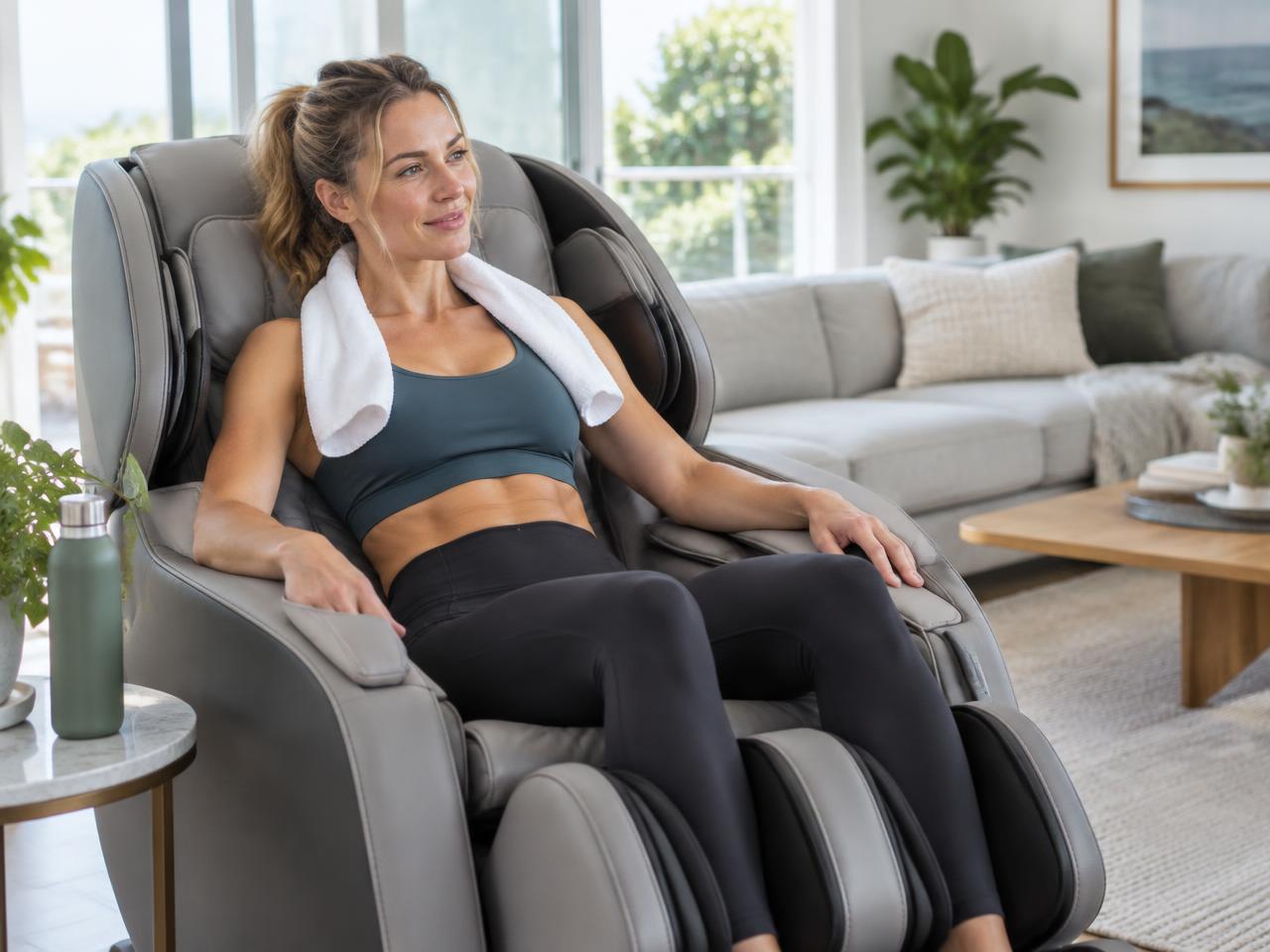
Recovery used to be something only elite athletes talked about. Today, more Australians are thinking about how they wind down: after a morning run, a weekend of gardening, a long shift on a hospital ward or a day hunched over a laptop. Rest, sleep, hydration and good food are the foundation, but many people also look for simple, comfortable ways to relax tired muscles at home. That's where a massage chair can play a part.
This guide looks at how people use massage chairs as part of their recovery routine, which features matter most, and how to build habits you'll actually stick with. It isn't medical advice — if you have an injury or health condition, please speak with your doctor or physiotherapist first.
What does 'recovery' really mean?
In everyday terms, recovery is the time your body spends returning to a relaxed state after effort. That effort could be physical (exercise, lifting, standing all day) or mental (stress, long hours, screen time). Good recovery tends to feel like looser muscles, a calmer mind and better sleep. A massage chair won't replace rest or professional care, but many owners find it a convenient way to switch off and give their body some attention without leaving the house.
Why people use massage chairs after activity
- •Convenience — a session is available any time, with no booking or travel
- •Consistency — short, regular sessions are easier to keep up than occasional appointments
- •Full-body coverage — modern chairs work the neck, shoulders, back, seat, arms, calves and feet
- •Relaxation — warmth, gentle rhythm and a reclined position help many people mentally unwind
- •Shared use — one chair can serve the whole household
Features that matter for recovery
Not every feature is equally useful once you're thinking about recovery. These are the ones owners tend to value most:
- •L-track or SL-track rollers — the track extends under the seat to reach the glutes and hamstrings, areas that often feel tight after walking, running or cycling
- •Zero gravity recline — raises the legs and spreads your weight, which many people find deeply relaxing
- •Heat therapy — gentle warmth across the lower back or seat is especially popular on cooler evenings
- •Air compression — airbags squeeze and release around the calves, feet and arms
- •Foot rollers — a favourite for anyone on their feet all day
- •Adjustable intensity — lets you choose a lighter session after a hard day and a firmer one when you want it
- •Stretch programs — some chairs gently recline and extend to give a stretch-style sensation
Building a simple recovery routine
The best routine is one you'll repeat. Many owners find that 15–20 minutes is plenty for a single session. Here's a straightforward approach:
- •After exercise: cool down first, have some water, then use a lighter auto program focused on the legs and lower back
- •After a long workday: choose a neck and shoulder program with heat, and put your phone away
- •Before bed: pick a slow, gentle program in zero gravity to help signal wind-down time
- •On rest days: try a full-body program at medium intensity
- •Keep it regular: a few short sessions a week usually feels better than one long one
Pairing your chair with other recovery habits
A massage chair works best as one part of a wider routine. Gentle stretching, staying hydrated, eating well and getting enough sleep all matter. Smaller tools like massage guns and foot massagers can be handy for targeted areas or for taking on the road. Many people keep a massage gun beside the chair for a quick touch-up on the areas they want more attention on.
Who tends to get the most from a chair?
- •Active people — runners, gym-goers, cyclists, tradies and weekend sport players
- •Workers on their feet — nurses, retail staff, hospitality and warehouse teams
- •Desk workers — anyone who spends long hours seated at a screen
- •Busy parents — who rarely get time to book a massage
- •Australians in their 40s and 50s — who want a proper wind-down without booking an appointment
Using your chair safely
Start with lower intensity and shorter sessions while you get used to the chair. Avoid using it directly over a fresh injury, and stop if anything feels uncomfortable. If you are pregnant, have a pacemaker, a recent surgery, or an ongoing medical condition, check with your doctor before use. Always read the manufacturer's guidelines for your model.
Choosing the right chair for recovery
Think about where the chair will live, who will use it and what areas they want to focus on. If you're tall, check the recommended user height. If legs and glutes are a priority, look for an L-track. If evenings are your main time to use it, heat and quiet operation matter. Our Chair Finder can help narrow it down, and our team is happy to answer questions by email.
Recovery doesn't need to be complicated. A comfortable chair, a regular habit and a few minutes to yourself can go a long way towards helping you feel better, move better and live better.